Quick answer
A website builder is cheaper upfront and fine for a simple site if you have time to build it yourself, but you pay monthly and live within the platform's limits. A web designer costs more upfront but saves your time, handles features like booking and payments, and can give you full ownership. Choose based on goals, time and total cost.
Key takeaways
- Builders win on upfront cost; designers win on time saved and flexibility.
- Compare total cost over three years, including your own hours.
- Both can rank on Google; content and structure matter more than the tool.
- Check who owns the domain, files and accounts before you commit.
What is the difference between a website builder and a web designer?
A website builder is a subscription platform with drag-and-drop templates. You pick a design, add your text and photos, and the platform hosts the site for a monthly or yearly fee.
A web designer (or agency) plans and builds the site for you. Depending on who you hire, that can mean a custom design, a professionally adapted template, or a site built on a platform of their choice. You pay for their time and skill, usually as a project fee.
The real question is not which is "better." It is whether your time, your goals and your budget favor doing it yourself or paying someone to do it right the first time.
Which costs less over time: a builder or a designer?
Builders look cheaper because the first month is cheap. To compare honestly, add up three years of costs for each option.
For a builder, add:
- The monthly or yearly plan price for 36 months
- Paid apps or add-ons for booking, forms or e-commerce
- Any transaction fees the platform charges on sales
- Your own hours, multiplied by what an hour of your time is worth
For a designer, add:
- The project fee
- Hosting and domain for 36 months
- Any maintenance plan or the cost of occasional changes
- The smaller number of hours you spend reviewing and supplying content
Many owners skip the line for their own time. If building a site takes you many evenings that could have gone to paying work or rest, that is a real cost. Run the numbers for your situation and the answer is often clearer than you expect.
How long does each option take to launch?
A builder can be fast if your needs are simple and your content is ready. The hidden time is in learning the tool, fixing layout issues on mobile and rewriting copy that does not fit the template.
A designer works to a schedule. You spend time up front on a brief and content, then review drafts. Simple sites move quickly; sites with booking, payments or many pages take longer to build and test. Either way, content readiness is the biggest factor in launch speed.
Think about time after launch too. With a builder, every change is yours to make, from new prices to fixing a layout that breaks after a template update. With a designer, you can often edit text and photos yourself through a CMS, and hand bigger changes to someone who knows the site. Ask how changes work before you choose, because a site that is hard to update tends to go stale.
What are the limits of website builders?
Builders are good products, but they are built for the average customer. You may run into limits like these:
- Design limits. Templates look polished, but changing layouts beyond what the template allows can be hard or impossible.
- Feature limits. Booking, memberships or complex forms often need paid apps, and those apps may not work together smoothly.
- Performance. Extra apps and scripts can slow pages down, and you have less control over how code loads.
- Lock-in. Your site lives on the platform. If prices rise or features change, you adapt or rebuild.
- Accessibility. Some templates do not meet accessibility standards out of the box, and fixing them can be difficult without code access.
None of these rule a builder out. They are simply the points to check against your own needs before you commit. Most platforms offer a free trial, so test the features you need before paying for a year.
Which is better for SEO: a website builder or a web designer?
Both can rank on Google. Search engines do not reward a particular tool. They reward pages that answer searches well, load fast, work on phones and are easy to crawl.
What usually differs is control and expertise:
- Builders handle the basics, like editable titles and a sitemap. Some limit page speed tuning, URL structure, schema markup or redirects.
- Designers can structure the site around how customers search: one page per service, city pages, clean URLs and structured data. That depends on the designer, so ask what SEO setup is included.
The tool matters less than whether someone plans the pages, writes for real searches and keeps the site fast and accessible.
Whichever route you choose, a few habits make the biggest SEO difference. Write a separate page for each main service. Use the words your customers use, not industry jargon. Add your city to page titles where it fits naturally. Keep your business details consistent with your Google Business Profile. And update the site when your services or prices change, because stale pages lose trust with visitors and search engines alike.
Who owns the website with each option?
Ownership is where many owners get surprised later.
- With a builder, you own your content and usually your domain, but the design and site live on the platform. Moving to another platform typically means rebuilding the site.
- With a designer, ownership depends on the agreement. Some keep the hosting and files in their own accounts, which can make leaving difficult.
Whichever you choose, register your domain in your own name. With a designer, ask for the hosting account, site files and admin logins to be in your business's name. Get it in writing.
When does each option make sense?
| Situation | Better fit |
|---|---|
| Testing a new idea with a tiny budget | Website builder |
| Simple info site and you enjoy DIY | Website builder |
| You need leads from Google or ads | Web designer |
| Online booking, payments or a store | Web designer, or a builder with paid add-ons |
| Many services or service areas | Web designer |
| Accessibility requirements matter to you | Web designer who builds to WCAG 2.1 AA |
| Little time to spare | Web designer |
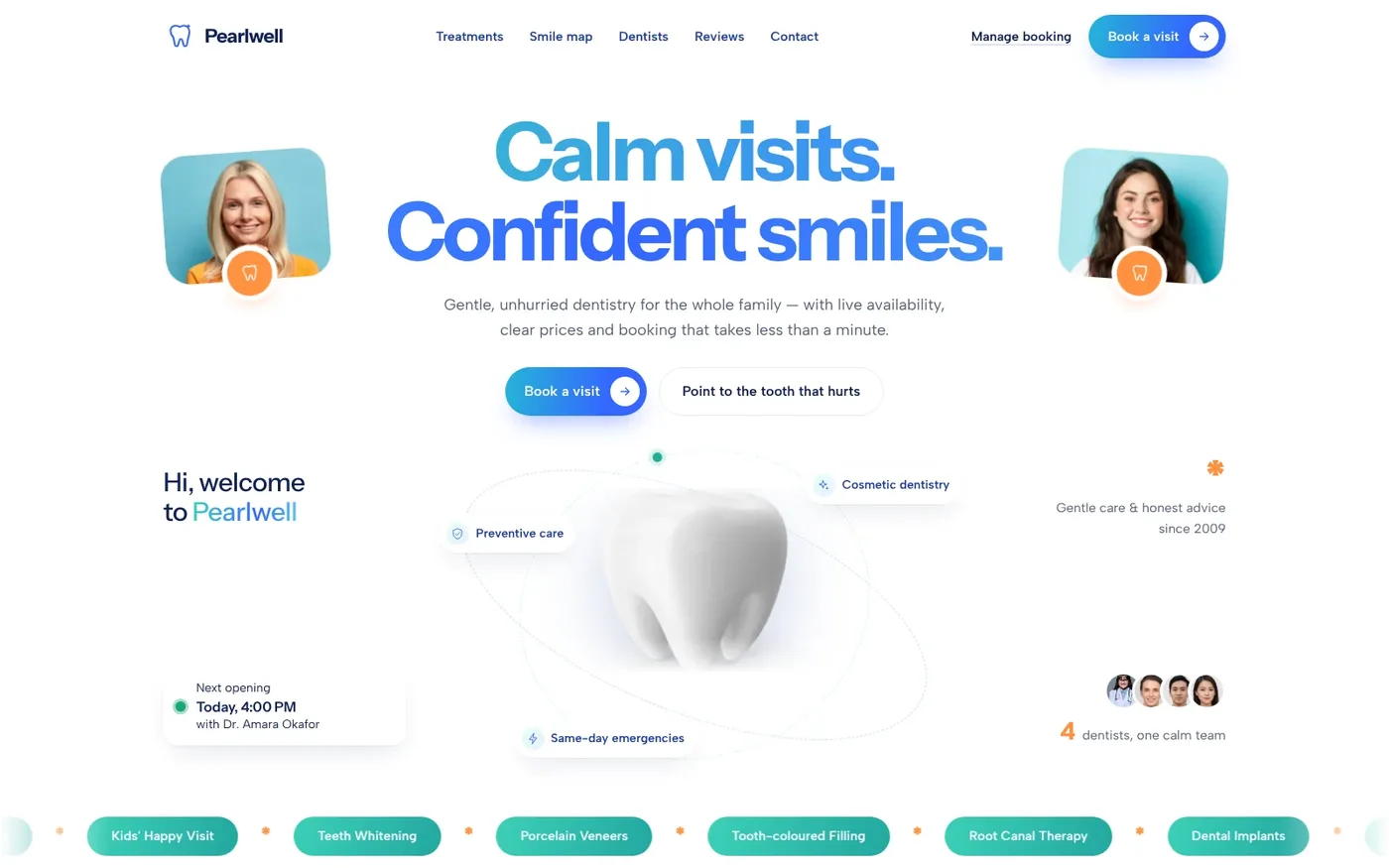
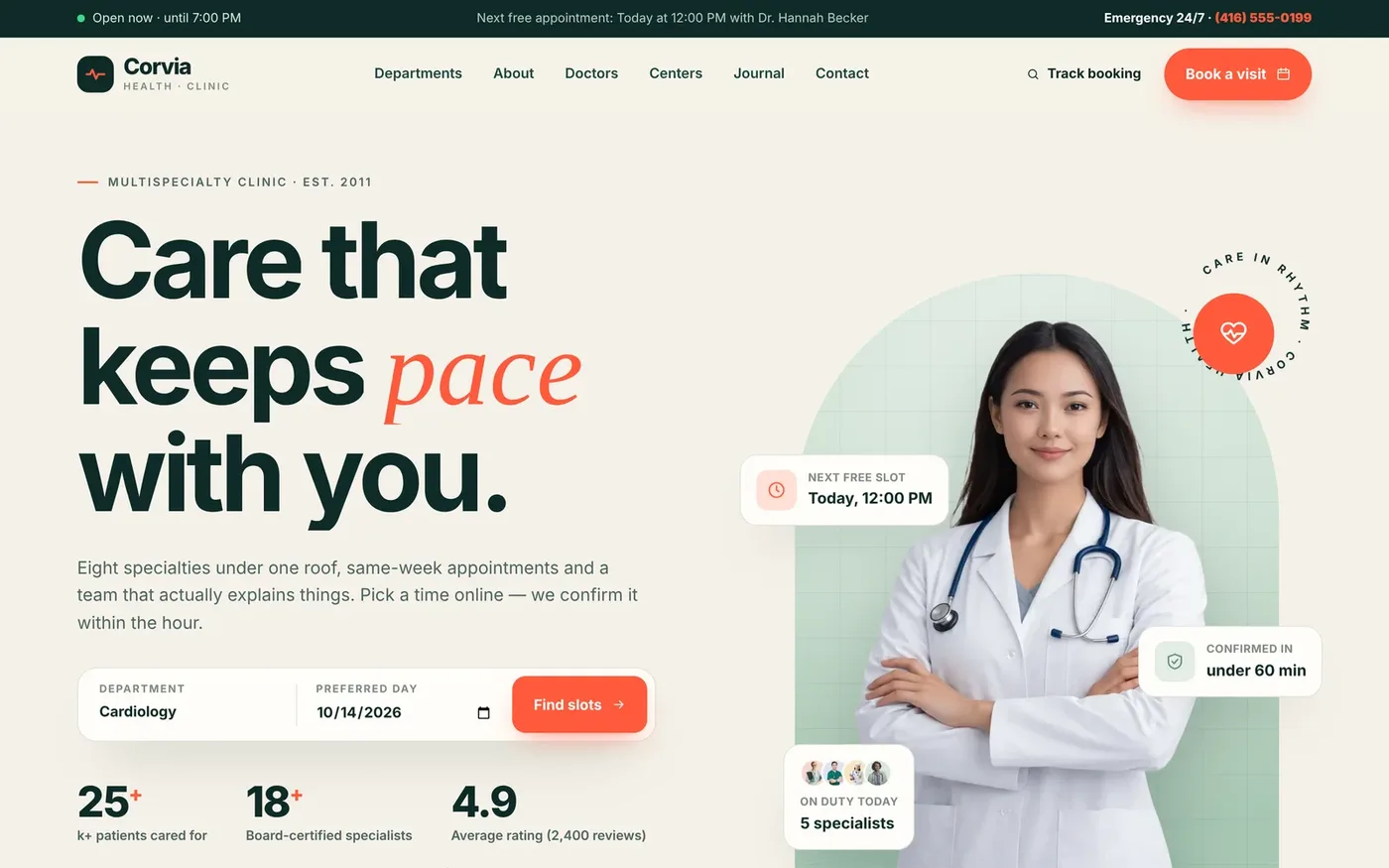
There is also a middle path: a professionally designed, pre-built website customized for your business. It costs less than a fully custom build, launches faster than starting from scratch, and you do not have to learn a builder yourself.
How do you decide? A five-step test
- Write down the site's job. Is it a digital business card, or does it need to bring in calls, bookings or sales?
- List required features. Booking, payments, a store, a blog, quote forms, multiple languages.
- Estimate your hours. Be honest about learning time, writing and fixing mobile layouts.
- Price three years for both options using the lists above, including your time.
- Check ownership terms on the platform or in the designer's contract.
If you go with a designer, ask these questions first:
- Is the price fixed, and what exactly is included?
- Will I own the domain, hosting and files?
- Can I edit content myself after launch?
- What SEO and accessibility work is included?
- What do changes cost after launch?
Graphinxt offers ready-made websites from $500 one-time and custom website plans at fixed prices, with clients owning their domain, hosting and site. Whatever you choose, use the five steps above to keep the decision grounded in your numbers.
Want this done for you?
Ready-made websites from $500. Fixed prices, no contracts, and you own every account.